
30 seconds summary
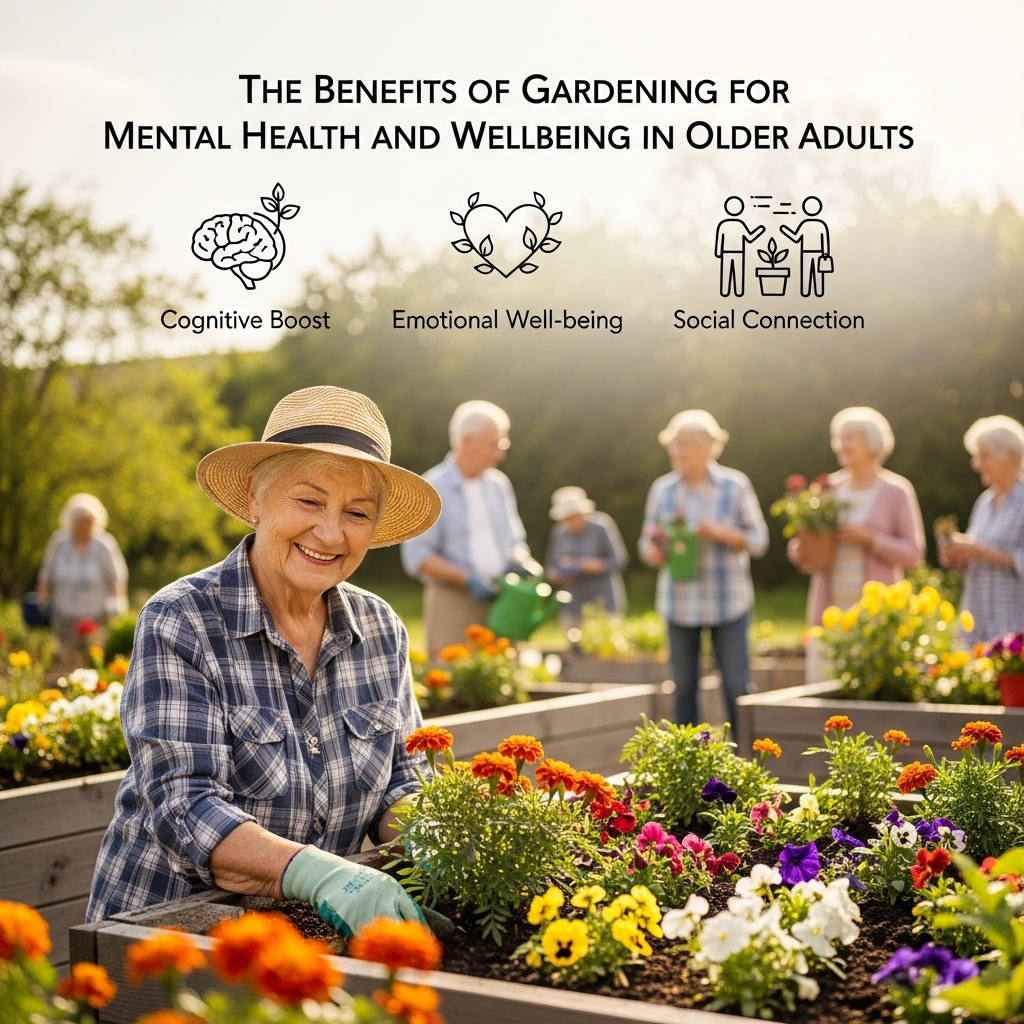
- Gardening offers numerous mental health benefits for older adults, including reducing stress, anxiety, and depression.
- Engaging in gardening activities provides physical exercise, boosts mood through exposure to nature, and promotes a sense of accomplishment and purpose. The act of nurturing plants can foster mindfulness, improve cognitive function, and enhance social connections when done in community gardens.
- Overall, gardening helps maintain mental clarity, fosters relaxation, and contributes to an overall sense of well-being for older adults.
Gardening has long been associated with numerous physical and emotional benefits, making it a particularly important activity for older adults, especially those dealing with the challenges of aging or health conditions. For older adults, the benefits of gardening extend beyond simply growing plants; the practice offers substantial mental health and well-being advantages. This paper will explore how gardening can enhance mental health, reduce symptoms of depression and anxiety, improve cognitive function, and provide a sense of purpose and accomplishment. Additionally, it will consider the role of personal home care assistance and physical disability support services in facilitating gardening activities for older adults with mobility or physical limitations.
Introduction to Gardening and Its Growing Popularity Among Older Adults
Gardening is more than just a hobby; it is a therapeutic activity that fosters a connection to nature and can serve as an outlet for self-expression and creativity. For older adults, it provides a means of engaging in physical activity, reducing stress, and connecting to a deeper sense of purpose. Gardening’s popularity among the elderly is growing, and it has become an increasingly accessible form of outdoor therapy. Many older adults are seeking opportunities to garden in their homes, retirement communities, or assisted living facilities, and studies consistently show that the practice can significantly enhance both physical and mental well-being.
As older adults age, they face a variety of challenges, including reduced mobility, social isolation, and the emotional strain of dealing with chronic illness. Gardening can help counteract these difficulties by promoting engagement with nature, providing social interaction, and offering a sense of control over one’s environment.
The Positive Impact of Gardening on Mental Health
Mental health concerns, such as depression and anxiety, are prevalent among older adults, particularly those who experience isolation, health problems, or the loss of loved ones. Research has demonstrated that gardening can help reduce the symptoms of mental health conditions and improve emotional well-being. By engaging in gardening, older adults can experience multiple benefits that contribute to improved mental health:
a. Stress Reduction and Relaxation
Gardening is a highly effective way to reduce stress and promote relaxation. The repetitive nature of tasks like planting, weeding, and watering can induce a state of mindfulness, allowing older adults to focus on the task at hand and temporarily forget about their worries. Studies have shown that spending time in nature and performing simple gardening tasks can lower levels of cortisol, a hormone associated with stress. Engaging with plants and nature offers a sense of calm and tranquility, which is essential for those struggling with stress and anxiety.
b. Improvement of Mood and Reduction in Depression
There is significant evidence suggesting that gardening can be a powerful antidote to feelings of depression. Research from various studies has shown that spending time gardening can elevate mood and promote feelings of happiness and contentment. In older adults, these benefits can be especially important, as depression can be a major issue for many in this age group. The act of nurturing plants and witnessing their growth provides a sense of accomplishment and fosters positive emotions. In addition, gardening often involves social interaction, whether with caregivers, fellow gardeners, or family members, which can further enhance mood and reduce loneliness.
c. Sense of Purpose and Control
As people age, they often experience a loss of control over many aspects of their lives due to physical limitations, declining health, or retirement. Gardening provides an avenue for older adults to regain a sense of agency, as they can actively tend to plants and see the tangible results of their efforts. Whether growing flowers, vegetables, or herbs, older adults can take pride in the results of their gardening endeavors, which can improve their overall sense of purpose. This sense of control over their environment can be particularly important for those who are living with physical disabilities or chronic illness, helping to foster independence and self-esteem.
Cognitive Benefits of Gardening
In addition to its emotional benefits, gardening can also have a positive impact on cognitive function in older adults. Cognitive decline, including conditions like dementia and Alzheimer’s disease, is a major concern for aging populations. Engaging in activities like gardening has been shown to stimulate the brain and may help prevent or slow cognitive decline. Here’s how:
a. Mental Stimulation and Learning Opportunities
Gardening involves various cognitive tasks, such as planning, problem-solving, and remembering when to water or harvest plants. These tasks provide mental stimulation, which can help keep the mind sharp and engaged. Learning about different plant species, how to care for them, and experimenting with gardening techniques all provide cognitive challenges that help older adults stay mentally active. The novelty and complexity of gardening tasks, such as managing plant growth or designing a garden, encourage older adults to use critical thinking and memory skills, which may help preserve cognitive function over time.
b. Enhanced Memory and Concentration
Gardening requires concentration, attention to detail, and memory recall, all of which can contribute to the maintenance of cognitive function. By remembering the names of plants, their care needs, and the timing of gardening tasks, older adults are constantly exercising their memory. Research has found that engaging in such activities can boost brain health and prevent cognitive decline. In fact, individuals who engage in activities like gardening tend to perform better on cognitive function tests than those who do not partake in similar mentally stimulating activities.
c. Prevention of Cognitive Disorders
Some studies suggest that gardening and other forms of nature-based therapy may help delay the onset of cognitive disorders like dementia. The mental engagement and physical activity involved in gardening can help keep the brain active and reduce the risk of developing dementia or Alzheimer’s disease. The social interactions that gardening fosters may also play a protective role in cognitive health, as maintaining social connections is known to have positive effects on brain health.
Physical Benefits of Gardening and Its Role in Overall Well-being
While the mental and emotional benefits of gardening are often highlighted, the physical health benefits should not be overlooked. Gardening is a form of moderate physical activity that can be easily adapted to accommodate older adults with varying levels of mobility and strength.
a. Improved Physical Health and Fitness
Gardening can offer a low-impact workout that promotes flexibility, strength, and endurance. Activities like digging, planting, watering, and harvesting require the use of multiple muscle groups, which can help improve physical fitness in older adults. Regular engagement in gardening tasks can contribute to better cardiovascular health, increased bone density, and improved joint flexibility. For those with chronic conditions, such as arthritis or osteoporosis, gardening can provide gentle exercise that helps alleviate pain and discomfort while still maintaining mobility.
b. Promoting Mobility and Flexibility
Gardening encourages movement and the use of various muscle groups, which can help improve mobility and flexibility. For older adults who experience limited mobility or physical disabilities, gardening provides a non-strenuous means of physical exercise. Simple tasks like reaching for plants or bending down to prune can help improve balance and coordination. In addition, gardening can be adapted to suit physical limitations, such as using raised garden beds for those with back or knee pain.
c. Exposure to Sunlight and Vitamin D
Spending time outdoors in natural sunlight is beneficial for older adults, as it helps with the production of vitamin D, which is crucial for bone health. Gardening encourages outdoor activity, which allows older adults to absorb sunlight and increase their vitamin D levels. Vitamin D is essential for maintaining bone density and preventing conditions such as osteoporosis, which is common in older adults.
Supporting Older Adults with Disabilities or Physical Limitations
For older adults with physical disabilities or chronic conditions, engaging in gardening may present some challenges. However, with the assistance of personal home care assistance and physical disability support services, these challenges can be overcome, enabling older adults to fully enjoy the benefits of gardening.
a. Personal Home Care Assistance
Personal home care assistance can play a key role in supporting older adults who wish to engage in gardening. Caregivers can assist with tasks such as preparing the garden space, handling heavy lifting, or offering mobility support. Additionally, caregivers can ensure safety by monitoring the physical exertion of older adults to prevent overexertion or injury. In some cases, home care assistants can help older adults develop a gardening routine, ensuring that they are able to participate in this activity at a pace that suits their abilities.
b. Physical Disability Support Services
For older adults with physical disabilities, adaptive gardening tools and equipment can be provided to facilitate the process. Raised garden beds, ergonomic tools, and garden chairs can help individuals with limited mobility participate in gardening without strain. Physical disability support services can assist in providing these resources, as well as offering training on how to use the tools effectively. Support services can also help create accessible garden spaces that are designed to accommodate mobility aids like wheelchairs or walkers.
Conclusion
Gardening is a therapeutic activity that offers significant mental health and physical well-being benefits for older adults. The practice helps reduce stress, improve mood, stimulate cognitive function, and promote physical fitness. Gardening can provide a sense of purpose, accomplishment, and connection to nature, all of which contribute to improved overall well-being.
For older adults with disabilities or physical limitations, personal home care assistance and physical disability support services play an important role in ensuring that gardening remains an accessible and enjoyable activity. By providing the necessary tools, guidance, and support, these services enable older adults to experience the full benefits of gardening while maintaining their independence and enhancing their quality of life.
https://lovinghomecareinc.com/ and https://www.truehomecare.co.uk/
