
30 seconds summary
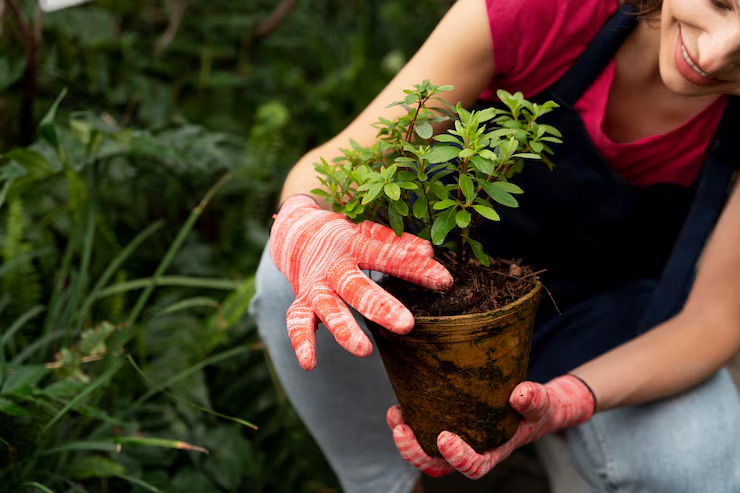
- Gardening as a lifestyle can be a simple, powerful way to reduce stress and improve well-being. Caring for plants pulls your attention into the present through soothing sensory experiences, soil, sunlight, water, and creates a calming routine that helps regulate your mood.
- It also offers gentle movement, a sense of purpose, and visible progress as plants grow, which can boost confidence and reduce mental overload.
- Even small efforts like a few herbs on a windowsill can bring daily moments of calm and pride. In Lifestyle counseling, gardening is often valued as a practical habit that supports emotional balance, patience, and healthier daily structure.
In a world that runs on notifications, deadlines, and constant mental multitasking, stress can start to feel like the “normal” background noise of daily life. Many people look for relief through apps, workouts, or weekend getaways, but one of the most quietly powerful stress-reducers is also one of the oldest: growing plants. Opting gardening as a lifestyle is not simply taking up a hobby, it’s choosing a slower rhythm, a more attentive way of living, and a daily relationship with something alive that responds to care. Whether you’re nurturing basil on a windowsill, raising tomatoes in a backyard bed, or tending a balcony full of flowers, gardening can reshape how you experience time, responsibility, and calm. Over weeks and months, it becomes less about “doing” and more about “being”, and that shift can make an enormous difference to mental well-being.
The modern stress cycle, and why gardening fits so well
Stress isn’t only an emotional feeling; it’s also a bodily state. When you’re under pressure, your nervous system shifts into “high alert.” Your mind scans for problems, your body tightens, and your attention narrows. That response is useful in emergencies, but exhausting when it becomes constant. Many common stress-management strategies work by interrupting this loop: deep breathing slows the body, exercise burns off tension, and social support restores perspective. Gardening is uniquely effective because it can engage several of these pathways at once, without feeling like another task on your to-do list.
Gardening combines gentle movement, sensory grounding, purposeful focus, and a clear feedback loop between effort and outcome. You can see what you did: the soil you loosened, the plant you watered, the leaf that perked up. That kind of visible progress is psychologically soothing in a life where many efforts (emails, meetings, errands) feel intangible and never truly “finished.” Even small gardening routines create a sense of completion that reduces mental clutter.
Nature contact that’s personal and ongoing
Spending time in nature is widely associated with better mood and reduced feelings of overwhelm. Gardening takes this a step further: it’s not just being near nature, it’s collaborating with it. When you garden, nature isn’t a distant scenic backdrop, it’s in your hands. You notice temperature shifts, learn how light moves across your space, and tune in to subtle plant changes. This gentle attention can pull you out of rumination (replaying worries) and into direct experience.
That “direct experience” matters. Stress often grows when the mind is stuck in past regrets or future fears. Gardening anchors you in the present: How dry is the soil? Is that leaf curling? Do I need to thin these seedlings? You’re focused, but not in a frantic way, more like a calm problem-solving mode. Over time, gardeners often report that their internal noise quiets when they’re with their plants. It becomes a reliable place where the mind can rest, not because nothing is happening, but because what’s happening is simple, clear, and real.
A built-in mindfulness practice (without the pressure)
Mindfulness can be challenging for people who feel restless, busy, or skeptical of “sitting still.” Gardening offers a more approachable version: mindfulness in motion. The repetitive, hands-on tasks, sowing seeds, pulling weeds, watering slowly—invite a steady attention that is naturally soothing. You don’t have to force your mind to be blank; you simply give it something gentle to do.
There’s also an emotional quality to gardening that supports calm: it encourages patience. Plants don’t respond to urgency. You can’t demand a seed sprout faster or a pepper ripen overnight. That reality can soften the habit of rushing and replace it with a more sustainable mindset: show up, do your part, and let growth happen at its pace. For many people, that becomes a transferable lesson. If you can accept the timeline of a plant, you may also become better at accepting the timeline of your own progress, whether that’s healing, learning, or navigating a tough season of life.
The therapeutic power of care and responsibility
Not all responsibility is stressful. Some responsibility is stabilizing, even healing, especially when it feels meaningful and manageable. Plants offer a “just right” level of dependence. They need you, but they don’t judge you. Caring for something living can restore a sense of competence when you feel scattered or powerless. You might not be able to control your workplace culture, family dynamics, or the broader world, but you can learn how to keep a pothos healthy or bring a tray of seedlings to life.
This is one reason gardening is often recommended as part of holistic mental health routines. In some settings, therapists and wellness coaches may include gardening goals in broader plans, sometimes alongside sleep routines, movement, nutrition, and social support. It can even show up in Lifestyle counseling as a practical, non-intimidating habit that supports emotional regulation and daily structure.
Sensory grounding: the overlooked stress antidote
Stress pulls people into their heads. Gardening pulls you back into your senses. The smell of soil, the coolness of a shaded morning, the texture of leaves, the sound of water, the visual satisfaction of green growth, these sensory cues tell the nervous system that you’re safe. They counter the “alert” state with signals of calm and connection.
This matters because many people try to manage stress purely through thinking: reframing, planning, analyzing. Those tools help, but they can also keep you trapped in mental loops. Sensory grounding breaks the loop from the bottom up. You’re not just telling yourself to relax, you’re giving your body evidence that it can relax.
Gentle movement that doesn’t feel like “exercise”
Physical activity is strongly linked to better mood and reduced stress, but not everyone enjoys structured workouts or has the energy for intense training. Gardening provides moderate movement in a way that feels purposeful rather than performative. Digging, carrying soil, kneeling, reaching, and walking around a garden bed all engage the body. The movement is varied, which can be easier on the mind than repetitive gym routines. It also tends to be self-paced: you can do ten minutes or two hours, depending on your day.
There’s something psychologically helpful about movement with a visible goal. Pulling weeds yields a clearer space. Transplanting seedlings creates order. Harvesting produces a literal reward you can hold. This tangible payoff boosts motivation and can reduce the “What’s the point?” fatigue that often accompanies chronic stress.
Food gardening: nourishment, pride, and a calmer relationship with eating
Growing edible plants adds another layer of well-being: nourishment. Harvesting herbs, lettuce, tomatoes, peppers, or strawberries can subtly shift your relationship with food. It’s not just calories; it’s a story of care, effort, and time. Many people find that eating something they grew feels grounding and satisfying in a deeper way than store-bought food.
Food gardening can also promote a calmer, more intentional approach to meals. When you have fresh herbs on your counter, you’re more likely to cook simply and enjoy the process. Even if you only grow a few items, the effect can be meaningful. A pot of basil can make dinner feel special. A single cucumber can make you smile. These small moments of pleasure and pride act like “micro-recoveries” throughout the week, tiny emotional boosts that accumulate into better overall resilience.
The social and identity benefits of a gardening lifestyle
Gardening doesn’t have to be solitary. Community gardens, plant swaps, neighborhood groups, and online forums create social connection, another major protective factor against stress. The social tone of gardening communities is often generous and collaborative. People share cuttings, trade tips, celebrate each other’s harvests, and laugh about inevitable failures. That sense of belonging can be deeply supportive, especially for people who feel isolated.
Beyond community, gardening can become part of identity in a healthy way. When you see yourself as “someone who grows things,” you’re more likely to make choices that support stability, like keeping a routine, spending time outside, and noticing the seasons. This identity shift can be particularly valuable during stressful transitions (moving, changing jobs, grief, burnout), because it provides continuity: even when other parts of life feel uncertain, your plants still need you, and your garden still offers a place to return.
Coping with perfectionism: learning to fail gently
One of the most underrated mental health benefits of gardening is how it retrains perfectionism. Plants don’t always cooperate. Weather changes. Pests show up. Seedlings flop. Sometimes you do everything “right” and still lose a crop. At first, this can feel frustrating, but over time, it teaches flexibility and self-compassion.
Gardening encourages a mindset of experimentation: try, observe, adjust. That’s a healthier loop than “I must succeed or I’m a failure.” When you practice this repeatedly in a low-stakes context, it can spill into other areas of life. You may become more willing to learn new skills, more patient with yourself, and less harsh when outcomes aren’t perfect. In that sense, gardening isn’t just growing plants; it’s growing emotional skills.
Making gardening sustainable: simple ways to start (and keep going)
A gardening lifestyle doesn’t require a big yard, expensive tools, or expert knowledge. The goal is consistency and enjoyment, not a picture-perfect garden. Here are practical ways to start in a stress-reducing, sustainable way:
- Begin small. Choose 1–3 plants you genuinely like. Herbs (basil, mint, chives), leafy greens, pothos, snake plant, or marigolds are approachable options.
- Match plants to your conditions. If you have low light, pick low-light houseplants. If you have a sunny balcony, choose sun lovers like tomatoes or peppers.
- Create a tiny routine. Water-check every morning while coffee brews, or spend ten minutes after work with a watering can. Keep it light and doable.
- Use containers if space is limited. Pots, grow bags, and window boxes work well and reduce overwhelm.
- Make it pleasant. Add a stool, gloves you like, a small tray for tools, or a playlist. The more enjoyable the setup, the more likely you’ll keep showing up.
- Celebrate micro-wins. A new leaf, a bud, a harvest of three cherry tomatoes, these moments matter. Let them count.
The point isn’t to turn gardening into another performance metric. It’s to create a restorative relationship with your environment and your own attention.
When stress is heavy: gardening as support, not a substitute
Gardening can be a powerful support for well-being, but it’s not a replacement for professional help when stress becomes overwhelming, persistent, or interferes with daily functioning. If someone is dealing with severe anxiety, depression, trauma, or burnout, gardening can still be helpful, especially as a gentle anchor, but it works best alongside appropriate care, such as therapy, medical guidance, and social support.
Think of gardening as a steady companion. It offers routine when you feel scattered, sensory calm when you feel tense, and small meaning when everything feels too big. Even on difficult days, you can do one tiny action, mist a plant, check the soil, open a window for sunlight—and that can be enough to remind your nervous system: you are here, you can care, and growth is possible.
Conclusion
Opting gardening as a lifestyle is ultimately an emotional choice as much as a practical one. It’s choosing to build a life that includes patience, attention, and gentle responsibility. It’s choosing to step outside the sped of modern stress and enter a slower timeline, one where progress is measured in leaves, roots, blossoms, and small daily acts of care.
Growing your own plants won’t erase every problem, but it can change how you carry your problems. It can give you a place to breathe, a task that feels meaningful, a quiet confidence that comes from learning, and a tangible reminder that life responds to care. And in a world that often asks you to be constantly productive, gardening offers a different invitation: be present, be patient, and let well-being grow, one small tending at a time.
Article Courtesy of Lifestyle Counseling
