
30-Second Content Summary
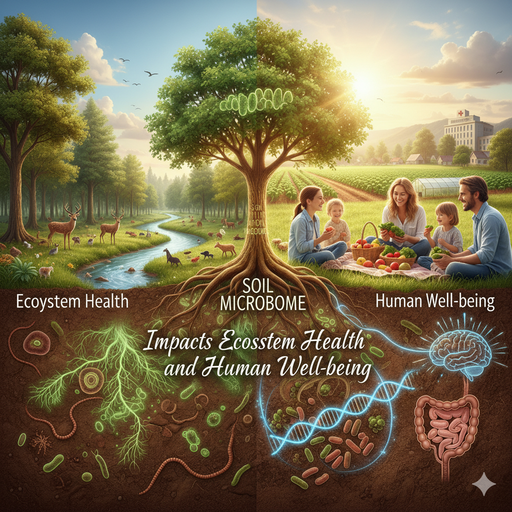
- Soil does more than hold plants in place.
- It holds a living world that powers your yard and the land around it.
- You’ll learn what that world does and how it may affect your food and well-being.
- You’ll also get simple steps you can try this weekend.
Have you ever wondered why one lawn looks thick and green while the next one looks tired? Sun and water matter, but the real action often happens under your feet. That “look below the surface” idea also shows up in integrative therapies, where people look at food, habits, stress, and environment together. So what? When you build better soil life, you often grow stronger plants and create a yard you enjoy using.
What Is the Soil Microbiome?
Soil holds a crowd of tiny living things. People call that crowd the soil microbiome. It includes bacteria, fungi, and other small organisms you can’t see.
Roots feed these microbes with sugars. The microbes help in return. Many of them help roots reach water and nutrients. Some fungi even grow thin threads that act like extra root reach.
In plain terms, your plants do not grow alone. They grow with a team.
Why Soil Health Shapes Ecosystem Health
When soil life thrives, the whole outdoor system works better. You can feel that in four big ways.
Plant growth
Microbes partner with roots and help plants take up key nutrients. Those links can help plants handle heat and dry spells.
Nutrients that stay in play
Microbes break down leaves and clippings. They turn that mess into plant food. They also support nitrogen cycles in healthy soils.
Water that soaks in and sticks around
Soil life helps form stable soil crumbs. Add organic matter, and the soil can hold water more like a sponge. That helps during storms and during drought.
More life above ground
Richer soil life often supports a greater diversity of plants. More plant types can support more insects, birds, and other wildlife.
How Soil Health Connects to Human Well-Being
You live with soil even if you never garden. It can affect you in a few down-to-earth ways.
Food quality
Healthy soils can support strong crop growth and good nutrition. Many things still shape what you eat, but studies show that soil health influences nutrient density and plant compounds in food.
Everyday microbe contact
When you garden, touch clean compost, or spend time in green spaces, you come into contact with outdoor microbes. The biodiversity hypothesis suggests that this kind of contact may support a balanced human microbiome and immune function. Research keeps evolving, so treat this as a growing area, not a promise.
Mind and mood
A healthy yard invites you outside. Five quiet minutes with plants and birds can help you downshift after a long day. You don’t need big changes to feel that benefit.
Shared spaces
Healthier soils can reduce erosion and runoff. That supports cleaner paths, streams, and parks. Your yard connects to your neighborhood.
What This Means for You
You can start small. One good habit beats a perfect plan you never use.
- Add compost once or twice a year, even as a thin layer.
- Keep soil covered with mulch, leaves, or living ground cover.
- Cut back on synthetic weed killers and fertilizers when you can—spot-treat trouble areas.
- Plant more than one thing. Mix flowers, shrubs, herbs, and ground covers.
- Water deeply and less often, so roots grow down.
- Leave some stems and seed heads over winter to feed insects and birds.
- Try one “soil-life corner,” like a small native bed, and watch what shows up.
The Role of Soil Microbes in Disease Prevention
Healthy soil doesn’t just help your plants thrive; it also protects them from harmful diseases. By maintaining a balanced microbial environment, healthy soil helps prevent the growth of harmful pathogens. Beneficial microbes outcompete harmful ones for nutrients and space, preventing the spread of disease. Additionally, these microbes produce natural substances that provide extra protection for plants, reducing the need for chemical treatments. When you nurture a healthy soil microbiome, you create a more resilient ecosystem that benefits both your garden and the broader environment.
When Broader Health Support Matters
Sometimes you connect the dots and think bigger than the yard. You might ask how food, stress, sleep, movement, and environment fit together.
Integrative therapies can help frame that whole-person view, especially when you want practical guidance that respects both lifestyle and biology.
For example, the Idaho Center for Integrative Medicine offers services such as functional medicine and nutrition consults, as well as options like IV nutrient infusions and regenerative care, such as PRP and Prolozone.
Use examples like that to guide your questions. Then work with qualified clinicians to choose options that fit your situation.
Friendly Wrap-Up
Soil life runs the quiet support system in your yard. Feed it organic matter, plant variety, and gentler inputs, and you help the whole system.
Healthy soil, healthy life. Small changes under your feet can ripple outward.
Article courtesy of Integrative Therapies
